HMG-CoA Reductase Inhibitors
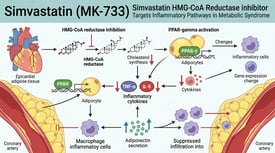
HMG-CoA Reductase (3-hydroxy-3-methylglutaryl-coenzyme A reductase) is the rate-limiting enzyme in the mevalonate pathway, which is the primary metabolic route for the endogenous synthesis of cholesterol. This enzyme catalyzes the conversion of HMG-CoA into mevalonic acid using NADPH as a reducing agent. Because cholesterol is a vital component of cell membranes and a precursor for steroid hormones and bile acids, its regulation is essential for cellular homeostasis. HMG-CoA Reductase inhibitors, universally known as statins, function by competitively binding to the active site of the enzyme, mimicking the structure of the natural substrate and preventing the production of mevalonate. This inhibition leads to a decrease in intracellular cholesterol levels, which triggers a compensatory upregulation of low-density lipoprotein (LDL) receptors on the surface of hepatocytes. Consequently, there is an increased clearance of LDL-cholesterol from the systemic circulation, significantly lowering plasma lipid levels.
The primary clinical application of HMG-CoA reductase inhibitors is the treatment of hypercholesterolemia and the prevention of atherosclerotic cardiovascular disease (ASCVD). Statins are among the most widely prescribed medications globally, proven to reduce the risk of myocardial infarction, stroke, and cardiovascular mortality in both primary and secondary prevention settings. Beyond their lipid-lowering effects, statins exhibit pleiotropic properties, which include improving endothelial function, stabilizing atherosclerotic plaques, reducing oxidative stress, and exerting anti-inflammatory effects. These secondary mechanisms have led to research into their potential benefits in conditions such as Alzheimer’s disease, certain cancers, and even viral infections, although clinical evidence in these areas remains less definitive than in cardiovascular medicine. Statins are generally classified into two main categories based on their origin and chemical structure. Type I statins, such as lovastatin, simvastatin, and pravastatin, are derived from fungal metabolites or are structural derivatives thereof.
Type II statins, including atorvastatin, rosuvastatin, pitavastatin, and fluvastatin, are entirely synthetic and often possess a higher affinity for the enzyme and greater potency. Furthermore, they can be distinguished by their solubility; lipophilic statins (e.g., simvastatin, atorvastatin) can easily diffuse across cell membranes, whereas hydrophilic statins (e.g., pravastatin, rosuvastatin) are more hepatoselective, relying on organic anion transporting polypeptides (OATPs) for cellular uptake. Despite their success, challenges such as statin-associated muscle symptoms (SAMS), ranging from mild myalgia to rare but severe rhabdomyolysis, can limit patient adherence. Research continues into mitigating these side effects and developing combination therapies with newer agents like PCSK9 inhibitors or ezetimibe for patients who do not achieve target LDL levels. Current progress also involves the study of long-acting formulations and the exploration of the mevalonate pathway's role in cancer metabolism, where HMG-CoA reductase inhibition might disrupt the prenylation of oncogenic proteins like Ras and Rho. As a cornerstone of modern pharmacology, the study of HMG-CoA reductase inhibitors continues to refine our understanding of lipid metabolism and vascular health.