FDX1 Inhibitors
Ferredoxin 1 (FDX1) is a mitochondrial protein that has recently gained significant attention as a central regulator of a novel form of regulated cell death known as cuproptosis. FDX1 functions as a reductase, utilizing electrons from NADPH to reduce various substrates within the mitochondria. One of its primary roles is the reduction of Cu2+ to the more reactive Cu+, which is essential for the lipoylation of enzymes involved in the tricarboxylic acid (TCA) cycle. Specifically, FDX1 is responsible for the lipoylation of dihydrolipoamide S-acetyltransferase (DLAT), a component of the pyruvate dehydrogenase (PDH) complex. When copper levels exceed the cellular buffering capacity, FDX1 facilitates the direct binding of copper to these lipoylated proteins, leading to their aggregation, the loss of Fe-S cluster proteins, and subsequent proteotoxic stress that culminates in cell death. This pathway is distinct from apoptosis, ferroptosis, and necroptosis, highlighting FDX1 as a unique metabolic checkpoint. The clinical relevance of FDX1 is most prominent in oncology.
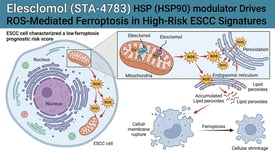
Studies have shown that FDX1 expression levels correlate with the sensitivity of various cancer types to copper-induced cell death. For instance, tumors with high mitochondrial respiration and high FDX1 expression, such as certain types of lung adenocarcinoma and clear cell renal cell carcinoma, are particularly vulnerable to cuproptosis. Conversely, the downregulation of FDX1 is associated with resistance to copper-targeting agents and poor prognosis in some contexts. Beyond cancer, FDX1 is involved in steroidogenesis and the synthesis of bile acids, suggesting its potential involvement in metabolic and endocrine disorders. Currently, there are no FDA-approved drugs that specifically target FDX1 as their primary mechanism. However, research progress is accelerating, with FDX1 being used as a critical biomarker in clinical trials involving copper ionophores. Elesclomol, a small molecule copper chelator that was originally investigated as an oxidative stress inducer, has been rediscovered as a potent inducer of cuproptosis that requires FDX1 for its activity.
Current research focuses on identifying small molecule inhibitors or activators of FDX1 to modulate cuproptosis for therapeutic benefit. Inhibitors of FDX1 are primarily used as research tools to dissect the cuproptosis pathway and to understand the metabolic dependencies of cancer cells. These compounds are often classified by their ability to interfere with the electron transfer chain or the binding of the iron-sulfur cluster within FDX1. A major challenge in targeting FDX1 is its essential role in normal mitochondrial metabolism and steroid hormone biosynthesis, which raises concerns about potential systemic toxicity. Therefore, therapeutic strategies are exploring the use of FDX1-dependent cuproptosis induction as a targeted approach for tumors that naturally overexpress this protein. Combination therapies that pair copper ionophores with inhibitors of the mevalonate pathway or other metabolic inhibitors are also being investigated to enhance the selectivity and efficacy of cuproptosis-based treatments. As the field of cuproptosis matures, FDX1 remains the most pivotal target for developing precision medicine approaches that exploit the unique metabolic vulnerabilities of copper-sensitive malignancies.