LDH Inhibitors
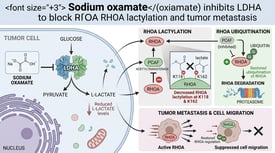
Lactate Dehydrogenase (LDH) is a pivotal metabolic enzyme that catalyzes the reversible conversion of pyruvate to lactate, with the simultaneous interconversion of NADH and NAD+. In humans, LDH exists as a tetrameric enzyme composed of two major subunits: LDHA (M, muscle) and LDHB (H, heart), which combine to form five different isoenzymes (LDH-1 to LDH-5). LDHA has a higher affinity for pyruvate and preferentially converts it to lactate, whereas LDHB favors the conversion of lactate back to pyruvate for use in the citric acid cycle. The overexpression of LDHA is a hallmark of the 'Warburg effect' in cancer cells, where aerobic glycolysis is prioritized over oxidative phosphorylation to support rapid proliferation, even in the presence of oxygen. This metabolic shift leads to the accumulation of lactate in the tumor microenvironment, which promotes acidification, immune evasion, angiogenesis, and metastasis.
Consequently, LDH inhibitors, particularly those selective for the LDHA isoform, are being intensively researched as antineoplastic agents. LDH inhibitors can be classified based on their chemical structure and mechanism of action into several groups: pyruvate-competitive inhibitors, NADH-competitive inhibitors, and allosteric modulators. Notable small molecule inhibitors include Galloflavin, which binds to both the free enzyme and the enzyme-cofactor complex, and FX11, a gossypol derivative that selectively inhibits LDHA and has demonstrated the ability to reduce tumor growth and increase oxidative stress in preclinical xenograft models. Other compounds like GNE-140 and stiripentol have also shown promise in inhibiting LDH activity and disrupting glycolytic flux. Beyond cancer, LDH is a critical biomarker for tissue damage and hemolysis, and its inhibition is being explored in metabolic disorders and certain inflammatory conditions.
Research progress has moved from early-stage discovery to sophisticated lead optimization, with several LDH inhibitors currently in preclinical development. However, no LDH inhibitor has yet reached widespread clinical approval for cancer therapy, largely due to challenges such as the high intracellular concentration of LDH, the high degree of homology between LDHA and LDHB, and potential off-target effects on systemic glucose metabolism. To overcome these hurdles, researchers are exploring combination strategies that pair LDH inhibitors with other metabolic inhibitors (e.g., MCT1 inhibitors) or conventional chemotherapies to create a synergistic 'metabolic catastrophe' in tumor cells. Additionally, the development of dual LDHA/B inhibitors is being considered for specific cancers that exhibit high metabolic plasticity. The signaling pathways regulating LDH expression, including the HIF-1alpha and c-Myc pathways, also provide opportunities for indirect LDH modulation.
As the field of cancer metabolism continues to mature, LDH remains a premier target for therapeutic intervention, with the potential to transform the treatment landscape for highly glycolytic and aggressive malignancies.