G9a/GLP Inhibitors
G9a (also known as EHMT2) and G9a-like protein (GLP or EHMT1) are essential histone methyltransferases that form a functional heterodimeric complex responsible for the mono- and di-methylation of lysine 9 on histone H3 (H3K9me1 and H3K9me2). These marks are primarily associated with gene silencing in euchromatic regions and are crucial for maintaining cellular identity, regulating embryonic development, and managing the cell cycle. G9a and GLP share a highly conserved C-terminal SET domain that provides their catalytic activity. Beyond histones, G9a also methylates non-histone proteins such as p53 and DNMT1, influencing various signaling pathways. Overexpression of G9a has been documented in numerous cancers, including lung, brain, esophageal, and ovarian cancers, where it promotes tumor cell proliferation, epithelial-mesenchymal transition (EMT), and metastasis. In addition to its role in oncology, G9a is a key regulator of neuroplasticity and has been implicated in the molecular mechanisms of drug addiction and chronic pain. Furthermore, G9a-mediated H3K9 methylation is a major repressor of the fetal hemoglobin (HbF) gene, making it a significant target for the treatment of hemoglobinopathies like sickle cell disease and beta-thalassemia.
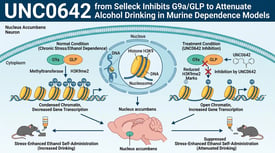
The development of G9a/GLP inhibitors has produced several potent tool compounds and potential clinical candidates. These inhibitors are generally classified into substrate-competitive and SAM-competitive molecules. BIX-01294 was the first selective small-molecule inhibitor of G9a, functioning as a substrate-competitive agent. While it provided proof-of-concept, its high toxicity and low metabolic stability limited its use. This led to the development of second-generation inhibitors like UNC0638 and UNC0642, which offer improved potency, lower toxicity, and better pharmacokinetic properties. These compounds have been widely used to study the biological effects of G9a inhibition in various disease models. More recently, dual-target inhibitors have emerged as a promising strategy.
For instance, compounds that simultaneously inhibit G9a and DNMT1 have shown superior anti-tumor activity by inducing a more robust re-expression of silenced tumor suppressor genes. Another area of active research is the development of G9a inhibitors for the induction of fetal hemoglobin. By blocking G9a, researchers aim to "unlock" the HbF gene, providing a functional substitute for defective adult hemoglobin. Despite the therapeutic potential, several challenges persist. One major concern is the potential for systemic toxicity, given the widespread role of G9a in normal gene regulation and development. Additionally, the high degree of structural similarity between the SET domains of G9a and other methyltransferases makes achieving high selectivity a priority. Current research is focused on refining the selectivity of these inhibitors and exploring their use in combination with other epigenetic modulators or immunotherapies.
For example, G9a inhibition has been shown to enhance the efficacy of checkpoint blockers by increasing the expression of MHC class I molecules and tumor-associated antigens. As more selective and brain-permeable G9a inhibitors are developed, their application in treating both oncology and neurological disorders is expected to expand significantly.